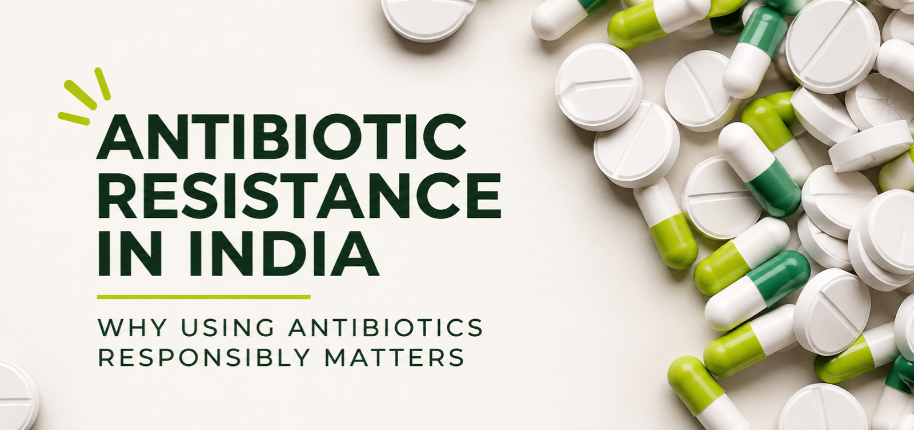
Antibiotics are important medicines used to treat bacterial infections. They help doctors treat many common and serious infections. However, these medicines are becoming less effective against some bacteria. This problem is known as antibiotic resistance.
Antibiotic resistance is a growing health concern in India and across the world. It can make infections harder to treat, increase treatment costs and create challenges for healthcare professionals.
For the pharmaceutical industry, this is an important issue. Pharmaceutical manufacturers, distributors, wholesalers and retailers all have a role in ensuring that medicines are manufactured, supplied and used responsibly.
During World AMR Awareness Week, observed from 18 to 24 November, it is important to understand this issue and the role of the pharmaceutical industry in addressing it.
Let's understand antibiotic resistance, why it happens and what pharmaceutical businesses can do to support responsible antibiotic use.
What Is Antibiotic Resistance?
Antibiotic resistance happens when bacteria change in a way that allows them to survive medicines that previously killed them or stopped their growth.
In simple words, an antibiotic that once worked against a particular type of bacteria may no longer work effectively.
For example, a person may develop a bacterial infection that was previously treatable with a particular antibiotic. If the bacteria have become resistant to that medicine, treatment may become more difficult.
One important thing to understand is that the human body does not become resistant to antibiotics. It is the bacteria that develop resistance.
Antibiotic resistance is part of a larger problem called Antimicrobial Resistance (AMR), which also includes resistance in viruses, fungi and parasites.
Why Is Antibiotic Resistance Increasing?
There are several reasons why antibiotic resistance is becoming a concern.
1. Using Antibiotics Without Medical Advice
Some people take antibiotics without consulting a doctor. Others may use medicines left over from an earlier illness.
This can lead to inappropriate antibiotic use.
Antibiotics should only be used when needed and according to a healthcare professional's advice.
2. Taking Antibiotics for Viral Infections
Antibiotics work against bacteria, not viruses.
Common viral illnesses such as the common cold and flu do not get better with antibiotics.
Using antibiotics for these infections does not provide the intended benefit and can contribute to unnecessary antibiotic exposure.
3. Not Following the Prescribed Treatment
Some patients change or stop their antibiotic treatment without consulting their doctor.
The correct medicine, dose and duration depend on the type of infection and the patient's condition.
Patients should follow their doctor's instructions and should not independently change their treatment.
4. Poor Hygiene and Infection Prevention
Bacteria can spread through contaminated surfaces, unsafe water, poor sanitation and direct contact.
When infections spread more easily, the need for treatment may also increase.
Simple practices such as handwashing, proper sanitation and maintaining cleanliness can help reduce the spread of infections.
5. Improper Use of Antibiotics in Animals
Antibiotics are also used in animal healthcare.
Their inappropriate use in animals and food production can contribute to the wider problem of antimicrobial resistance.
This is why human health, animal health and environmental health need to work together.
Why Is Antibiotic Resistance a Concern for India?
India has a large population and a significant burden of infectious diseases. Antibiotics are an important part of healthcare, but their effectiveness needs to be protected.
Antibiotic resistance creates several challenges:
Difficult treatment: Some bacterial infections become harder to treat.
Longer recovery: Patients may need additional medical care.
Higher healthcare costs: Treatment may require more expensive medicines or hospital care.
Limited treatment options: Some infections may have fewer effective antibiotic choices.
Pressure on healthcare systems: Hospitals and healthcare professionals face additional challenges in managing resistant infections.
For these reasons, responsible antibiotic use is important for India's healthcare and pharmaceutical sectors.
How Does Antibiotic Resistance Affect the Pharmaceutical Industry?
Antibiotic resistance is not only a medical concern. It also affects pharmaceutical companies and businesses involved in medicine manufacturing and distribution.
1. Need for Better Antibiotic Research
As bacteria develop resistance to existing medicines, there is a need to research and develop new treatment options.
Developing new antibiotics requires scientific research, testing, investment and regulatory approval.
2. Importance of Medicine Quality
The quality of antibiotics is essential.
Pharmaceutical manufacturers must follow applicable manufacturing standards and quality-control procedures to ensure that medicines meet their approved specifications.
This includes checking product strength, quality, stability and consistency.
3. Responsible Medicine Promotion
Antibiotics should not be promoted in a way that encourages unnecessary use.
Pharmaceutical companies need to follow applicable advertising, promotion and regulatory requirements.
4. Proper Distribution of Antibiotics
Distributors and wholesalers play an important role in making medicines available through authorised supply channels.
They should follow applicable prescription and sale requirements and maintain proper product records.
5. Following Regulatory Guidelines
Pharmaceutical businesses need to stay updated with drug regulations, manufacturing standards and quality-related notifications.
Following these requirements supports responsible pharmaceutical operations.
What Is Antibiotic Stewardship?
Antibiotic stewardship means using antibiotics carefully and only when they are needed.
The main aim is to make sure that antibiotics are used correctly so that they remain effective for future treatment.
It involves the combined efforts of doctors, pharmacists, hospitals, pharmaceutical companies and patients.
Some important practices include:
1. Use Antibiotics Only When Required
Antibiotics should be taken only when prescribed by an authorised healthcare professional.
They should not be used for every fever, cold or cough.
2. Follow Medical Instructions
Patients should follow the prescribed medicine, dose and treatment duration.
They should consult their doctor before making any changes.
3. Improve Infection Prevention
Hand hygiene, vaccination, safe water and proper sanitation can help reduce the spread of infections.
4. Promote Awareness
People should understand that antibiotics do not work against every type of infection.
Correct information can help reduce unnecessary antibiotic use.
5. Monitor Antibiotic Use
Hospitals and healthcare authorities can monitor antibiotic use and resistance patterns.
This helps identify problems and improve treatment practices.
What Can Pharmaceutical Distributors and Wholesalers Do?
Pharmaceutical distributors, wholesalers and retailers are important parts of the medicine supply chain.
They may not decide which antibiotic a patient needs, but they can support responsible medicine distribution through their business practices.
Here are some important steps:
1. Purchase from Reliable Sources
Source medicines through authorised manufacturers and suppliers. Check relevant licences and product documentation.
2. Follow Prescription Requirements
Ensure that antibiotics are supplied in accordance with applicable Indian drug regulations and prescription requirements.
3. Maintain Proper Storage
Follow the manufacturer's storage instructions to maintain product quality.
4. Check Product Details
Pay attention to batch numbers, expiry dates, packaging condition and other important product information.
5. Maintain Purchase and Sale Records
Keep appropriate records as required by applicable regulations.
6. Avoid Encouraging Self-Medication
Do not encourage customers to use antibiotics without appropriate medical advice.
India's Efforts to Control Antibiotic Resistance
India has introduced the National Action Plan on Antimicrobial Resistance to address the growing problem of AMR.
The plan focuses on improving awareness, monitoring resistance and encouraging responsible antimicrobial use.
Some important areas include:
Better monitoring of antibiotic resistance.
Responsible use of antimicrobial medicines.
Improved infection prevention in hospitals.
Stronger laboratory and testing facilities.
Research and development.
Coordination between human health, animal health and environmental sectors.
These efforts highlight that antibiotic resistance cannot be controlled by one organisation alone. Government authorities, healthcare professionals, pharmaceutical companies and the public all have a role to play.
World AMR Awareness Week: Why Does It Matter?
World AMR Awareness Week is observed every year from 18 to 24 November.
It aims to spread awareness about antimicrobial resistance and encourage responsible use of antimicrobial medicines.
The 2026 campaign theme is "One Health, One Action: Prevent AMR Now."
The One Health approach explains that human health, animal health and the environment are connected.
For the pharmaceutical industry, this is an opportunity to focus on medicine quality, responsible manufacturing, proper distribution and public awareness.
How Agrosaf Supports Pharmaceutical Businesses
Responsible medicine sourcing and distribution are important for a dependable pharmaceutical supply chain.
Agrosaf Pharmaceuticals serves B2B pharmaceutical businesses through its product portfolio and sourcing platform.
Distributors, wholesalers, stockists and other pharmaceutical buyers can explore the available product range for their business requirements.
Visit the Agrosaf B2B platform to explore its pharmaceutical portfolio.
Conclusion
Antibiotic resistance is a growing concern that affects healthcare systems and the pharmaceutical industry.
Using antibiotics unnecessarily, poor infection prevention and inappropriate medicine practices can contribute to this problem.
Pharmaceutical manufacturers, distributors, wholesalers and retailers can support responsible antibiotic use by following quality standards, regulatory requirements and proper distribution practices.
This World AMR Awareness Week, the message is simple: antibiotics are valuable medicines, and their effectiveness needs to be protected.
Use Responsibly. Maintain Quality. Protect the Future of Antibiotics.
Disclaimer: This article is for general pharmaceutical industry awareness and educational purposes. It does not provide medical advice or recommend any antibiotic treatment. Antibiotics should be used only under appropriate medical guidance.
Frequently Asked Questions
1. What is antibiotic resistance?
Antibiotic resistance happens when bacteria develop the ability to survive medicines that were previously effective against them.
2. What causes antibiotic resistance?
Common contributing factors include unnecessary antibiotic use, self-medication, inappropriate treatment practices and the spread of resistant bacteria.
3. Do antibiotics work against viral infections?
No. Antibiotics work against bacterial infections. They do not treat viral illnesses such as the common cold or flu.
4. Why is antibiotic resistance a concern in India?
It can make bacterial infections harder to treat, increase healthcare costs and create additional challenges for doctors, hospitals and patients.
5. What is antibiotic stewardship?
Antibiotic stewardship means using antibiotics correctly and only when needed to help preserve their effectiveness.
6. What is the role of pharmaceutical companies in controlling antibiotic resistance?
Pharmaceutical companies can support responsible antibiotic use through quality manufacturing, proper product information, regulatory compliance and responsible distribution.
7. When is World AMR Awareness Week observed?
World AMR Awareness Week is observed from 18 to 24 November every year.
Conclusion / Notes
Antibiotic resistance is a growing concern in India, making responsible antibiotic use and better awareness essential across the pharmaceutical industry. Manufacturers, distributors, wholesalers and healthcare professionals all have a role in ensuring medicines are supplied responsibly and used appropriately. By following quality standards, promoting responsible practices and supporting awareness, the pharmaceutical industry can contribute to the fight against antibiotic resistance and help protect the effectiveness of antibiotics for the future.
0 Comments
Recent Posts