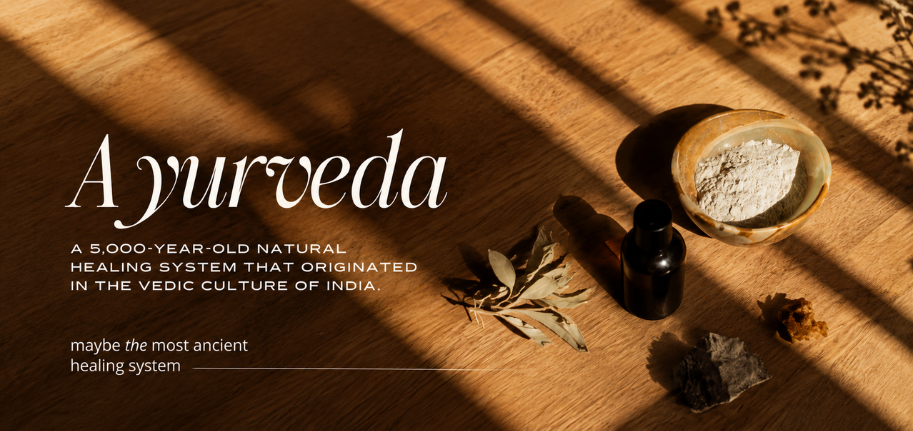
What Is Modern Ayurveda?
Ayurveda has a long-standing place in India's traditional wellness practices. But the way people discover, compare and choose Ayurvedic products is changing.
Today's consumers may recognise traditional ingredients such as amla, neem, turmeric and ashwagandha, yet they also want clear product information, convenient formats and brands they can evaluate before purchasing.
This is where modern Ayurveda comes in. It brings traditional wellness concepts into contemporary product experiences while maintaining responsible communication about ingredients, intended use and limitations.
For healthcare businesses, this shift creates opportunities to understand changing customer preferences and build a more relevant Ayurvedic product portfolio.
1. Traditional Ingredients, More Informed Consumers
An ingredient's traditional reputation may attract attention, but it does not automatically tell a customer everything they need to know about a product.
Consumers increasingly need straightforward information about:
Ingredients and composition
Intended use and directions
Product quality and manufacturer details
Storage instructions and expiry information
Claims that are appropriate for the product category
Clear information helps people make more informed choices. It also helps retailers and distributors answer routine product questions with greater confidence.
Businesses should avoid treating terms such as natural, herbal or Ayurvedic as automatic proof that a product is safe or suitable for everyone.
2. Convenience Is Changing Ayurvedic Product Experiences

Convenience is becoming an important consideration across wellness categories. Consumers have different preferences depending on their routines, product requirements and ease of use.
For example, Ayurvedic and herbal products may be available in formats such as:
Tablets and capsules
Powders
Oils and topical preparations
Syrups and other liquid formats
Personal-care products featuring traditional ingredients
However, not every ingredient or formulation is suitable for every format. Product selection should depend on its intended purpose, formulation, applicable requirements and target audience — not just what looks modern or convenient.
3. Packaging and Presentation Matter
Packaging is often the first thing a customer notices. Clear labelling, readable instructions and suitable packaging can make a product easier to understand and use.
Modern presentation does not mean removing traditional identity. Instead, it means communicating product information clearly while respecting the product's heritage.
For manufacturers, distributors and retailers, useful questions include:
Is the product name easy to identify?
Can customers read the composition and instructions?
Is the packaging appropriate for the product?
Are storage directions and expiry details clear?
Does the presentation match the intended market?
Good packaging cannot compensate for poor quality, but confusing packaging can make a genuine product harder to evaluate.
4. Transparency and Credibility Are Becoming More Important
Interest in Ayurvedic wellness does not remove the need for reliable product information. Consumers may compare ingredients, read online reviews and look for explanations before deciding what to buy.
For businesses, credibility starts with the basics:
Accurate product information
Appropriate, supportable claims
Clear manufacturer and quality details
Compliance with the regulations applicable to the product
Responsible communication about benefits and limitations
It is especially important not to promise guaranteed results or suggest that an Ayurvedic product can replace necessary medical care. Traditional use, scientific evidence and approved product claims are not interchangeable.
India's recent Ayurveda policy discussions have also highlighted the importance of research, quality standards and evidence in supporting responsible growth.
5. Digital Discovery Is Influencing Wellness Choices

Consumers can now discover wellness products through search engines, social media, online marketplaces and educational content.
This creates an opportunity for Ayurvedic businesses to answer genuine questions instead of relying only on promotional messaging.
Useful digital content can explain:
What a product contains
How its intended use differs from similar products
What customers should check before purchasing
How to read the label
Which questions may require advice from a qualified healthcare professional
For businesses selling to retailers, distributors or other healthcare buyers, a clear website and organised product catalogue can also make product discovery and initial evaluation easier.
6. Modern Ayurveda Creates Opportunities for Healthcare Businesses
The changing market is relevant not only to consumer brands but also to wholesalers, distributors, retailers and healthcare product suppliers.
Businesses exploring Ayurvedic products should assess their portfolio using practical criteria rather than following every new trend.
| What to evaluate | Why it matters |
|---|---|
| Customer demand | Helps identify relevant categories |
| Product information | Makes evaluation and comparison easier |
| Quality and compliance | Supports responsible product selection |
| Pricing and margins | Helps assess commercial suitability |
| Shelf life and storage | Supports inventory planning |
| Supplier reliability | Helps manage ongoing availability |
A broader portfolio can offer more choices, but adding products without understanding demand may create slow-moving inventory. A better approach is to identify the needs of the target market and select products accordingly.
What Modern Ayurveda Means for Agrosaf Pharmaceuticals
At Agrosaf Pharmaceuticals, our B2B healthcare portfolio includes Ayurvedic products alongside pharmaceutical, nutraceutical, OTC and other healthcare categories.
For businesses exploring Ayurvedic product sourcing, the right choice depends on the intended market, product requirements, quality information and suitability for their portfolio.
You can explore our B2B healthcare product website to review available categories and identify products relevant to your business requirements.
Final Thoughts
Modern Ayurveda is about more than giving traditional products a contemporary look. It involves understanding changing consumer expectations, improving product information, offering suitable formats and communicating responsibly.
For healthcare businesses, the opportunity lies in combining an understanding of traditional wellness with careful product selection, reliable supply and clear information. Businesses that focus on these fundamentals can make more informed decisions as the Ayurvedic products market evolves.
Frequently Asked Questions
What is modern Ayurveda?
Modern Ayurveda refers to contemporary ways of presenting, developing and using Ayurvedic wellness products and practices while retaining their traditional context.
What are the major Ayurvedic wellness trends in 2026?
Notable themes include contemporary product formats, greater attention to ingredient transparency, digital product discovery and a stronger focus on research, quality and credibility. These trends do not mean every new product has proven benefits.
Are Ayurvedic products always safe because they are natural?
No. Natural ingredients can still cause side effects, interact with medicines or be unsuitable for some people. Product quality, ingredients, intended use and professional advice matter.
What should retailers consider before adding Ayurvedic products?
Retailers should review customer demand, product information, quality and regulatory requirements, pricing, shelf life, storage needs and supplier reliability.
Why is product transparency important for Ayurvedic brands?
Clear composition, instructions, manufacturer details and appropriate claims help consumers and business buyers evaluate products more confidently.
Conclusion / Notes
Modern Ayurveda is evolving to meet changing consumer expectations through convenient product formats, transparent labelling, responsible communication and greater attention to quality and research. Healthcare businesses should evaluate product suitability, regulatory requirements, customer demand and supplier reliability when exploring Ayurvedic products.
0 Comments
Recent Posts